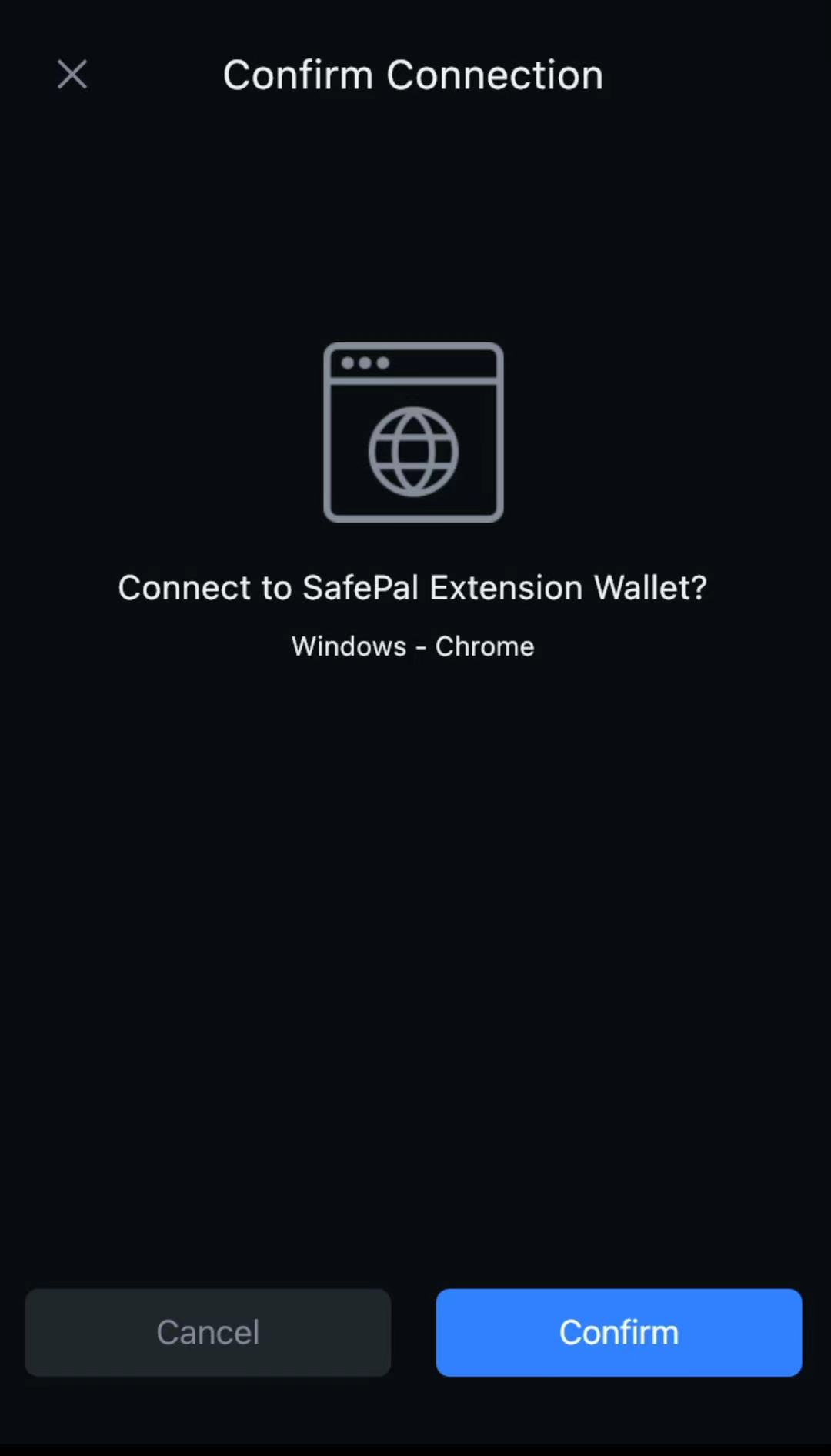
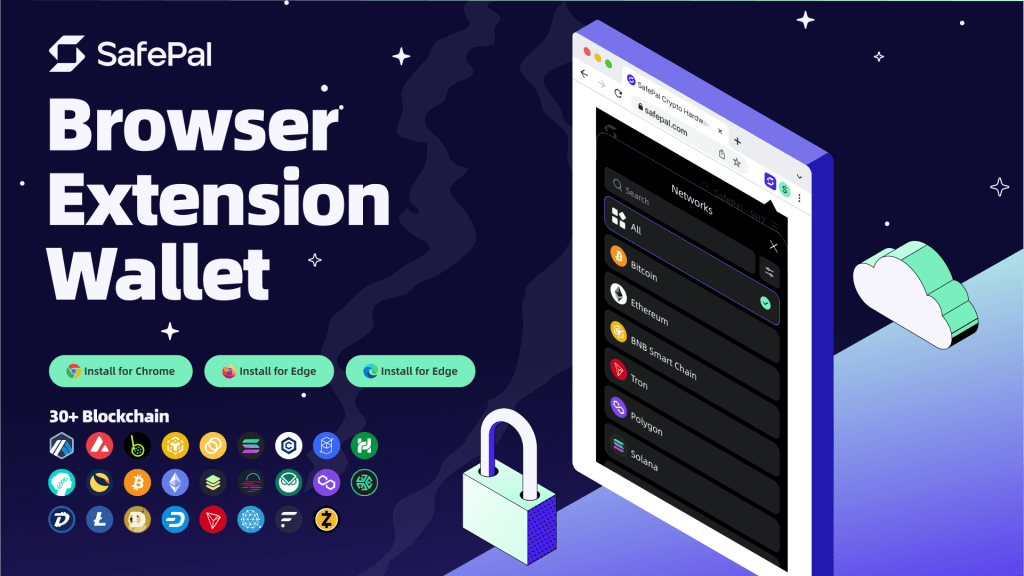
Safepal extension Is a browser-based crypto wallet tool used to manage blockchain accounts, connect to decentralized applications, review transactions, and move between everyday Web3 tasks with clearer control. It is best understood as a companion to the broader SafePal wallet ecosystem, not as a guarantee of safety by itself. Users should install it only from official sources, protect recovery phrases offline, verify every transaction, and confirm current details with SafePal before relying on it for funds.
Safepal extension fits a common need: people want wallet access inside a desktop browser without giving up basic security habits. A browser extension can make DeFi, NFT marketplaces, token swaps, and account monitoring easier, but convenience also adds responsibility. The extension sits close to websites, signatures, pop-ups, and approvals, so the user has to treat each confirmation as a real financial action rather than a routine click.
What is Safepal extension?
Safepal extension is a wallet interface for browser-based crypto activity. In plain terms, it helps a user create or import wallet accounts, view assets across supported networks, connect to Web3 sites, and approve or reject requests. The phrase browser wallet often sounds simple, but the practical role is important: Safepal extension becomes the place where account permissions, transaction details, network choices, and signing prompts are reviewed before anything leaves the wallet.
Safepal extension should not be confused with a bank account or a hosted exchange login. A non-custodial wallet generally means the user is responsible for recovery information and transaction decisions. If a recovery phrase is exposed, typed into a fake website, stored in cloud notes, or photographed on a compromised phone, an extension cannot undo that mistake. This is why setup discipline matters as much as the software interface.
Safepal extension also belongs to a wider wallet workflow that may include a mobile wallet, a hardware wallet, and browser-based decentralized apps. Some users only need a simple browser account for small test transactions. Others prefer pairing browser access with a so private key handling is separated from routine browsing. The best setup depends on the value at risk, the networks used, and the user’s comfort with wallet security.
How does Safepal extension work in a browser?
Safepal extension works by adding a wallet control layer to a supported web browser. When a decentralized application asks to connect, the extension can display the requesting site, the account involved, and the permissions being requested. When a transaction is prepared, Safepal extension can show details such as network, recipient, amount, token, fee estimate, and signature request, depending on the chain and transaction type.
Safepal extension does not make a blockchain transaction private or reversible. It is an interface for interacting with public networks and smart contracts. Once a valid transaction is signed and broadcast, the network rules take over. For this reason, the most valuable moment is before approval. Users should read the prompt, check the domain, confirm the selected network, and pause whenever a request looks broader than expected.
Safepal extension can be useful for switching between chains and accounts, but chain support and feature availability can change. A token may appear on one network while a similarly named token exists on another. A site may ask for a token approval rather than a one-time transfer. A gas fee may rise during congestion. In practice, Safepal extension is strongest when the user combines its prompts with independent verification and cautious transaction sizing.
How to get started with Safepal extension safely
Safepal extension setup should begin with source verification. Search results, ads, social posts, and lookalike domains can lead to malicious downloads. The safer workflow is to start from SafePal’s official website or official app references, confirm the extension listing, and inspect the publisher information before installing. This page is informational and is not affiliated with SafePal, so users should always verify live installation details through official SafePal channels.
Safepal extension setup usually involves creating a new wallet or importing an existing one. A new wallet gives the user a fresh recovery phrase, while import connects the extension to an existing account. Either path requires careful handling of seed words or private keys. Safepal extension may guide the user through the flow, but it cannot protect a phrase that has already been shared with a scam site, saved in a browser screenshot, or entered into an unknown form.
Install Safepal extension only after confirming the official source and browser listing.
Create a new wallet for testing, or import an existing wallet only if the environment is trusted.
Write the recovery phrase offline and store it away from cameras, cloud sync, and shared devices.
Set a strong local password and enable available browser or device protections.
Send a small test transaction before moving meaningful funds.
Review connected sites and token approvals regularly.
Safepal extension is easier to learn when the first transactions are small. A new user can practice adding a network, receiving a small amount, sending a tiny transfer, and connecting to a familiar decentralized app. This lowers the cost of mistakes and makes prompts less intimidating. For a new user, the goal is not speed; the goal is recognizing what normal wallet behavior looks like before handling larger balances.
What can you use Safepal extension for?
Safepal extension is commonly used for Web3 account access. That can include viewing token balances, connecting to decentralized exchanges, approving swaps, signing messages, managing NFTs, or interacting with DeFi dashboards. The extension helps bridge a desktop browser and blockchain networks, which can be more comfortable than doing every task from a phone screen.
Safepal extension may also support users who move between mobile and desktop workflows. A person might monitor assets on mobile, then use a browser for a more complex decentralized application that has better desktop layout. In that setting, Safepal extension becomes the decision point for each connection and transaction. The user still needs to compare the displayed action with what the website claims will happen.
Safepal extension can be part of a hardware wallet workflow when supported devices and features align. Hardware wallets are designed to keep sensitive signing material isolated from everyday software exposure. For example, some users researching the may also want to understand how browser extension access fits into a broader setup. Compatibility, firmware status, chain support, and connection methods should be checked with official documentation before purchase or use.
Is Safepal extension safe for crypto management?
Safepal extension can be used more safely when the user follows strong wallet hygiene, but no browser wallet is risk-free. Browser extensions operate in an environment where phishing pages, malicious pop-ups, fake support messages, compromised bookmarks, and deceptive token approvals are common. The extension can present prompts, but it cannot know every user intention or guarantee that a smart contract is trustworthy.
Safepal extension safety starts with the recovery phrase. No legitimate wallet support process should require a user to reveal seed words in chat, email, a form, or a screen-sharing session. Anyone who obtains the phrase can usually control the wallet. Users should keep recovery information offline, consider separate wallets for different risk levels, and avoid importing high-value accounts into a browser unless they understand the exposure.
Safepal extension users should also pay attention to permissions. Some token approvals allow a contract to spend a token up to a limit, and that limit can be much larger than the immediate transaction. Reviewing approval amounts, disconnecting unused sites, and revoking old permissions where appropriate can reduce risk. These steps do not remove all danger, but they make accidental overexposure less likely.
What are the benefits of Safepal extension?
Safepal extension offers convenience for people who frequently use desktop Web3 sites. Instead of copying addresses between devices or relying only on mobile browsing, users can handle wallet prompts in the same browser where they research markets, read documentation, or use decentralized applications. That convenience is valuable when paired with careful behavior, especially for users who already understand address formats, gas fees, and network selection.
Safepal extension can also reduce friction in multi-chain activity. Many crypto users hold assets across several ecosystems, and a browser wallet can make it easier to move between networks, check balances, and respond to dApp prompts. This does not mean every network or token is equally safe. It means Safepal extension may provide a more organized interface for actions the user would otherwise perform through separate tools.
Safepal extension benefits are clearest when it is used with a defined purpose. A casual user might reserve it for small balances and learning. An experienced user might use it as a transaction interface while keeping long-term holdings in colder storage. A developer or tester might use it for testnets and application checks. Each workflow has different risk, so the wallet setup should match the value and complexity involved.
What risks should users consider before installing Safepal extension?
Safepal extension carries the same major categories of risk that apply to browser wallets generally. Phishing is the most obvious one: a fake site can imitate a real exchange, wallet page, NFT mint, or support portal. Malware is another concern, because a compromised computer can observe browser behavior, replace copied addresses, or interfere with wallet prompts. Smart contract risk is separate again, since a legitimate wallet can still sign a harmful contract interaction.
Safepal extension users should be cautious with urgency. Scams often push limited-time claims, emergency migrations, surprise airdrops, account verification threats, or fake security warnings. A legitimate wallet routine should allow time to inspect the request. If a website demands a seed phrase, asks for repeated blind signatures, or changes the transaction after the user hesitates, the safest response is to stop and verify through official channels.
Safepal extension also depends on the surrounding device. A clean browser profile, updated operating system, limited extensions, and cautious download habits all matter. Users who handle meaningful funds may want a dedicated browser profile or separate device for crypto activity. That extra separation is not a magic shield, but it reduces casual exposure from unrelated browsing, unknown plugins, and everyday account logins.
How does Safepal extension compare with mobile and hardware wallets?
Safepal extension is optimized for desktop browser interaction, while a mobile wallet is often better for quick checks, QR-based flows, and on-the-go asset management. A hardware wallet is usually chosen for stronger key isolation. These tools can complement one another. The practical question is not which one is universally best, but which one fits the task and the risk level.
Wallet type
Common strength
Common caution
Safepal extension
Convenient browser access to Web3 sites
Exposed to browser phishing and approval mistakes
Mobile wallet
Portable account management and QR workflows
Phone security and app-source verification matter
Hardware wallet
Private key isolation for higher-value storage
Requires careful device setup and transaction review
Safepal extension may be the most convenient option for routine dApp activity, but convenience should not be mistaken for custody discipline. Long-term holdings, treasury funds, or assets a user cannot afford to lose deserve a stricter setup. Some users split activity across wallets: one for everyday interaction, one for savings, and one for testing unfamiliar protocols. That separation can limit damage if a risky approval or phishing mistake occurs.
What should you check before each transaction?
Safepal extension prompts deserve careful reading. The user should check the network, address, token, amount, gas fee, and contract permission before approving. If the transaction is a message signature, the user should read what the message authorizes. Some signatures are harmless login proofs, while others can be used in more powerful workflows. When the prompt is unclear, it is better to stop than to guess.
Safepal extension use becomes safer when the user develops a repeatable review habit. Compare the recipient address from another trusted source. Confirm that the selected chain matches the asset. Look at whether a token approval is unlimited or limited. Make sure a decentralized application is the intended domain, not a close spelling variation. Keep browser tabs organized so a stale pop-up is not mistaken for the current action.
Safepal extension should also be tested after major changes. Browser updates, wallet updates, network changes, and new device setups can all affect routine behavior. A small test transaction can confirm that the account, network, and receiving address work as expected. This is especially useful before bridging assets or interacting with contracts where errors can be expensive and hard to reverse.
When does Safepal extension make sense?
Safepal extension makes sense for users who want a desktop Web3 wallet and are willing to maintain careful security habits. It can simplify browser access, reduce device switching, and provide a familiar place to review wallet prompts. It is less suitable for users who tend to approve requests without reading them, store recovery phrases online, or install extensions from unverified sources.
Safepal extension is ultimately a tool, not a substitute for judgment. Crypto transactions can involve volatile assets, irreversible transfers, malicious contracts, and fast-changing software conditions. Users should verify current support, features, fees, and installation paths with official SafePal resources before taking action. With careful setup, small tests, and disciplined transaction review, Safepal extension can be a practical part of a broader crypto management workflow.
Reader rating:
4.5 / 5
based on 273 ratings
Questions and Answers
What is Safepal extension used for?
Safepal extension is used as a browser wallet interface for crypto accounts, Web3 connections, transaction review, token activity, and decentralized application access. It can help users manage blockchain interactions from a desktop browser. It should be treated as a non-custodial wallet tool, meaning users remain responsible for protecting recovery phrases, verifying transaction details, and checking official SafePal information before relying on any feature.
Is Safepal extension safe to install?
Safepal extension can be safer when installed only from official sources and used on a clean, updated device, but no browser wallet is risk-free. Users should avoid search ads, lookalike websites, fake support links, and unknown downloads. The most important rule is to never share a recovery phrase or private key with any website, person, form, chat, or support channel.
Can Safepal extension connect to a hardware wallet?
Safepal extension may fit into a broader workflow that includes hardware wallet use, depending on current compatibility and supported features. A hardware wallet can help isolate private key handling from normal browser activity, but users still need to inspect transaction prompts carefully. Before buying or connecting a device, confirm current support, firmware requirements, and setup steps through official SafePal documentation.
How should a beginner set up Safepal extension?
A beginner should first verify the official installation source, then create a small test wallet or import only after understanding the risks. Write the recovery phrase offline, set a strong local password, and practice with a small transaction before moving meaningful funds. Beginners should also learn how networks, gas fees, token approvals, and connected sites work before using complex DeFi applications.
What are the main risks of using Safepal extension?
The main risks include phishing sites, malicious browser extensions, compromised devices, wrong-network transfers, excessive token approvals, and unsafe smart contracts. Safepal extension can display prompts, but users must decide whether the request is legitimate. Treat unexpected airdrops, urgent migration messages, blind signatures, and seed phrase requests as high-risk until verified through official sources.
Does Safepal extension charge fees?
Safepal extension itself may not be the same thing as a blockchain fee, but transactions usually require network gas fees paid to the blockchain. Swaps, bridges, and third-party decentralized applications may involve additional costs or spreads. Fees can change quickly with network demand, so users should review the displayed transaction cost and verify current terms before approving any action.
Should I keep all my crypto in Safepal extension?
Keeping all crypto in any browser wallet is usually not the most cautious approach, especially for high-value or long-term holdings. Many users separate funds by purpose: a small browser wallet for daily Web3 activity, another wallet for testing, and colder storage for larger balances. The right setup depends on risk tolerance, asset value, and the user’s ability to manage recovery information securely.
The
SafePal X1
is an open-source Bluetooth hardware wallet designed to provide secure and convenient management of your digital assets. It features an EAL 5+ secure element and a true random number generator to ensure the safety of your private keys.
Key Features
Open Source
: As the first fully open-source Bluetooth hardware wallet from SafePal, the X1 offers transparency and security, allowing users to verify and trust the device’s operations.
EAL 5+ Secure Element
: The device incorporates an EAL 5+ secure element chip, providing a robust environment for storing private keys and safeguarding against potential threats.
Self-Destruct Mechanism
: Equipped with multiple sensors, the X1 can execute a self-destruct mechanism, erasing all wallet data to protect against unauthorized access.
Bluetooth 5.0 Connectivity
: High-speed Bluetooth 5.0 enables faster transaction signing and seamless integration with the SafePal App, enhancing user experience.
Extensive Blockchain Support
: The SafePal X1 supports over 100 blockchains and their ecosystems, allowing users to manage a diverse range of digital assets within a single device.
Specifications
Display
: 1.8-inch monochrome screen
Connectivity
: Bluetooth 5.0
Security Certifications
: EAL 5+ secure element
Buy SafePal X1 in Thailand
For users in Thailand seeking a secure and user-friendly hardware wallet, the SafePal X1 provides a reliable solution. Its open-source nature, combined with advanced security features and extensive asset support, makes it an ideal choice for managing digital assets securely.
Experience the future of digital asset management with the SafePal X1, offering unparalleled security and convenience for users in Thailand. Buy from SIAMBC – SafePal Authorised Reseller in Thailand
฿
1,290.00
Original price was: ฿1,290.00.
฿
890.00
Current price is: ฿890.00.
Select options
This product has multiple variants. The options may be chosen on the product page
฿
15,900.00
Original price was: ฿15,900.00.
฿
10,480.00
Current price is: ฿10,480.00.
Select options
This product has multiple variants. The options may be chosen on the product page
฿
7,990.00
Original price was: ฿7,990.00.
฿
4,200.00
Current price is: ฿4,200.00.
Select options
This product has multiple variants. The options may be chosen on the product page