Safepal extension: Setup, Features, and Wallet Use
Safepal extension Is a Browser Wallet Guide for Safer Crypto Use
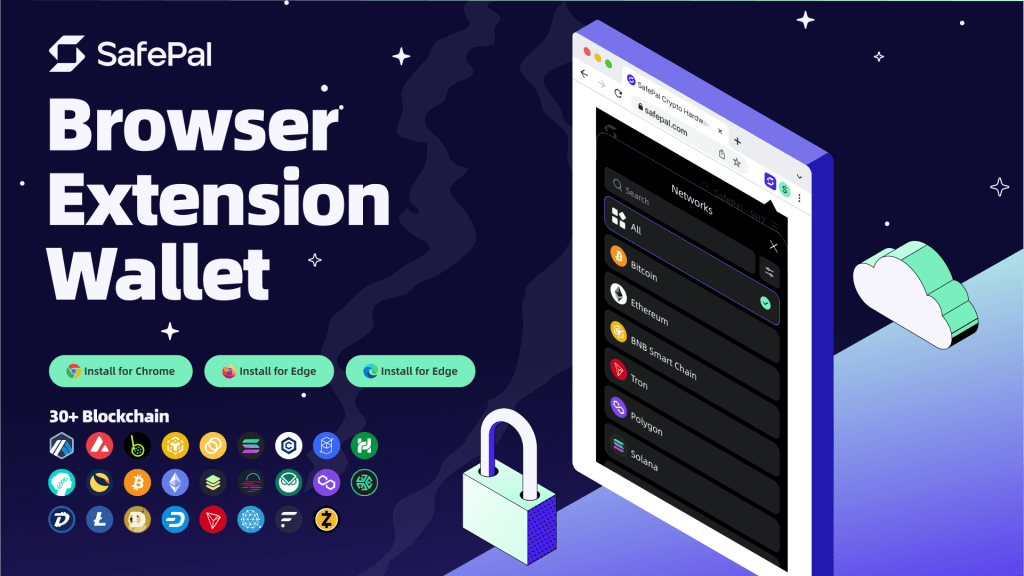
Safepal extension Is a browser-based crypto wallet tool for connecting to Web3 sites, managing digital assets, signing transactions, and coordinating with the SafePal app or supported hardware wallets. It is best understood as an access layer: it helps users interact with blockchains, decentralized applications, swaps, and wallet accounts, while the user remains responsible for verifying downloads, protecting recovery phrases, and checking every transaction before approval.
Safepal extension is searched by people who want a practical way to use crypto from a desktop browser without losing sight of wallet safety. The extension can make daily tasks faster, but it should not be treated as a shortcut around security. A wallet extension touches addresses, approvals, network settings, and transaction requests, so a careful setup process matters as much as convenience.
Safepal extension also sits in a wider wallet ecosystem. Many users begin with the SafePal mobile app, then add a browser workflow when they need larger screens, DeFi dashboards, NFT marketplaces, or trading interfaces. Others use a hardware wallet such as SafePal X1 or another supported device for signing, while the browser extension acts as the visible interface for reviewing and sending requests.
What is Safepal extension?
Safepal extension is a cryptocurrency wallet extension designed for browser-based access to blockchain accounts and decentralized applications. In plain terms, it helps a browser recognize a wallet, connect that wallet to a Web3 site, and present transaction details before a user signs. It is not a bank account, an investment service, or a guarantee that any token, chain, or application is safe.
Safepal extension usually matters most when a user moves from simple holding to active wallet use. Holding assets in a mobile wallet may be enough for someone who only receives and stores coins. When that person wants to use a decentralized exchange, bridge, staking page, launchpad, NFT platform, or portfolio tracker from a desktop browser, a wallet extension becomes the connector between the account and the application.
Safepal extension should be separated from the assets themselves. A token may live on Ethereum, BNB Smart Chain, Polygon, Arbitrum, Solana, or another network, depending on support and configuration. The extension displays and requests actions for addresses on those networks, but the blockchain records the actual balances and transactions. That distinction helps users understand why the same wallet address can behave differently across chains.
How does Safepal extension work with wallets and dApps?
Safepal extension works by creating or importing wallet access, showing accounts in the browser, and asking the user to approve or reject connection and transaction requests. A decentralized application may ask to view a public address, suggest a network, request a token approval, or prepare a swap. The extension is where the user reviews those prompts before anything is signed.
Safepal extension can be part of a hot wallet workflow, where keys are managed in software, or a more cautious workflow involving a compatible hardware wallet. Hardware wallets are designed to keep private keys isolated and to require physical confirmation for important actions. That does not make every transaction safe, but it can reduce exposure when compared with typing or storing secrets casually on a computer.
In practice, a Web3 interaction has several layers. The site builds the request, the wallet displays the request, and the blockchain processes the signed transaction if the user approves it. Safepal extension is important because the review moment happens there. The user should compare the site, network, asset, address, spending limit, gas cost, and action type before signing.
How to get started with Safepal extension
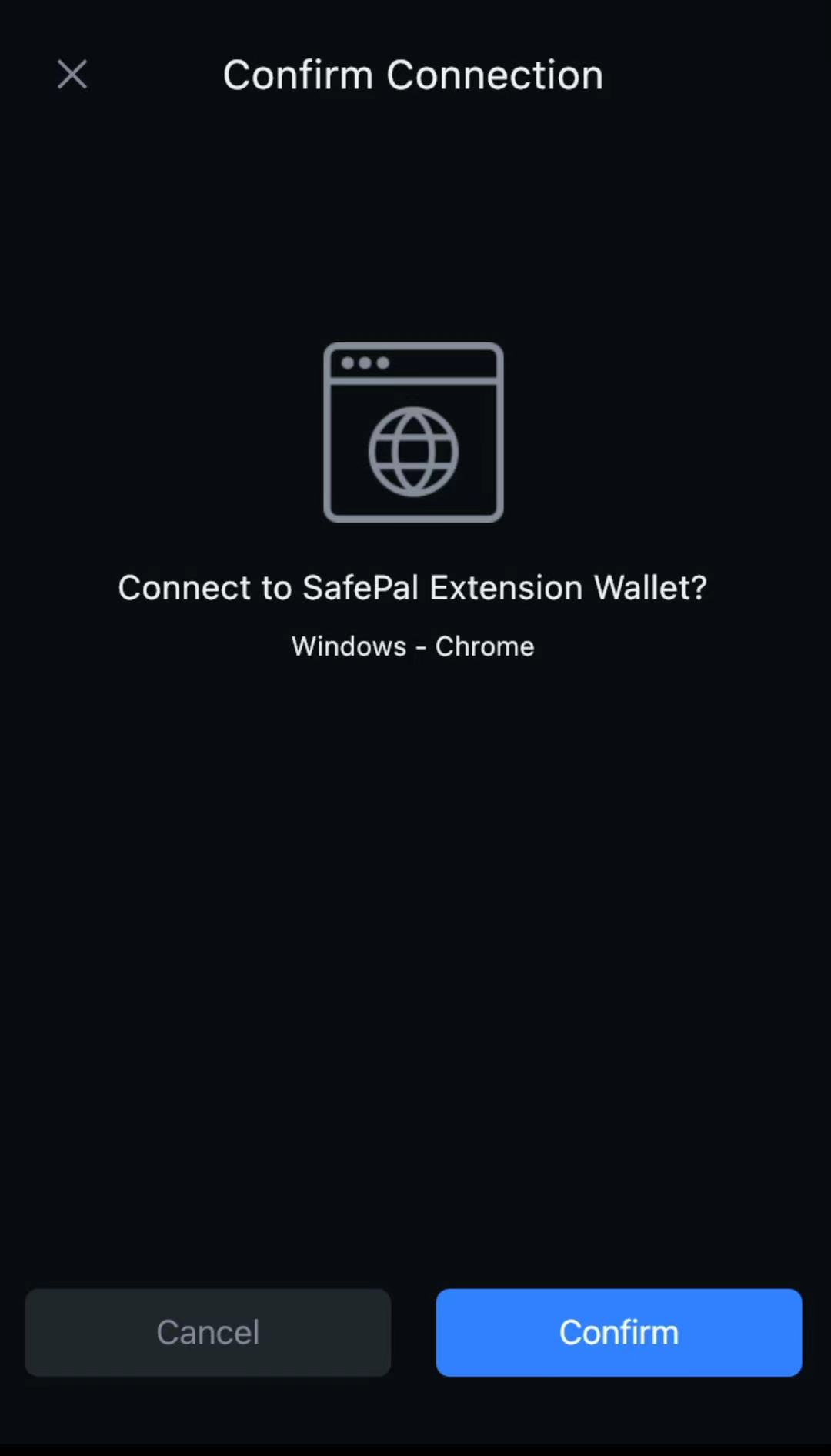
Safepal extension setup should begin from an official source, not from a search ad, random message, or copied download link. Crypto wallet scams often imitate familiar names, so users should verify the website, browser store listing, publisher details, and current instructions from SafePal before installing anything. If there is any mismatch, it is better to pause than to rush the installation.
Safepal extension may offer options such as creating a new wallet, importing an existing wallet, connecting with the SafePal app, or linking a supported hardware wallet. The safest choice depends on the user’s situation. A new user may prefer a fresh wallet with a carefully stored recovery phrase. A more experienced user may prefer a hardware wallet setup for accounts that hold meaningful value.
Verify the official source before downloading the extension.
Create or connect the wallet using the current official setup flow.
Back up the recovery phrase offline if one is generated.
Add only the networks and assets you actually plan to use.
Test with a small amount before moving larger balances.
Review each transaction prompt before approval.
Safepal extension should never require a recovery phrase to be entered into a random website. A recovery phrase is the master backup for a wallet, and anyone who gets it can usually move the assets. Store it offline, avoid screenshots, avoid cloud notes, and be suspicious of support messages that ask for it.
What can you use Safepal extension for?
Safepal extension is useful for everyday wallet actions such as viewing accounts, sending and receiving supported assets, switching networks, and connecting to Web3 services. Depending on the supported networks and current product features, users may also interact with swaps, token approvals, DeFi protocols, NFT pages, and portfolio tools. The exact options can change, so official documentation should be checked before relying on any specific feature.
Safepal extension is especially convenient when a desktop layout makes a task easier. A trading interface, analytics dashboard, or liquidity page can be hard to inspect on a small phone screen. A browser extension allows the user to keep the dApp visible while the wallet request appears for review. That makes it easier to compare amounts, routes, addresses, and network fees before signing.
For users researching devices, a dedicated page such as can help explain how a hardware wallet fits into a broader setup. A page about can also clarify why some people separate long-term storage from active browser transactions. Safepal extension can belong in either workflow, but the risk profile is different.
Is Safepal extension safe?
Safepal extension can be used more safely when it is installed from the correct source, kept updated, paired with careful signing habits, and used on a computer that is not already compromised. No browser extension can remove all risk. Phishing pages, malicious token approvals, fake support accounts, clipboard malware, and rushed confirmations can still cause losses even when the wallet software itself is legitimate.
Safepal extension users should treat every connection request as a permission decision. Connecting a wallet usually reveals a public address to the site. Signing a message may prove account ownership. Approving a token allowance can permit a smart contract to spend a token up to a certain limit. Sending a transaction can move funds or interact with code that may behave differently than expected.
The safest habit is to slow down at the signing screen. Safepal extension prompts should be read for the network, asset, destination, amount, method, and fee. If a site asks for unlimited approval when a smaller approval would work, that is a reason to investigate. If a transaction appears unrelated to the action the user intended, it should be rejected.
Benefits of using Safepal extension in a desktop workflow
Safepal extension offers convenience because it brings wallet actions into the browser where many crypto tools already live. A user can compare on-chain data, review a protocol page, and respond to wallet prompts without switching constantly between devices. For active users, this can make the workflow clearer, especially when reviewing charts, transaction history, token lists, or bridge details.
Safepal extension can also support better organization when users keep different accounts for different purposes. One address might be used for small DeFi tests, another for NFTs, and another for longer-term holdings through a hardware wallet. Segmentation does not guarantee safety, but it can limit the damage from a bad approval or a mistaken connection.
Another benefit is familiarity across the SafePal environment. Safepal extension can feel more natural to someone already using the SafePal app or a SafePal hardware wallet. The mental model remains similar: accounts, networks, transaction review, and signing decisions. Users still need to verify current compatibility, because wallet ecosystems evolve and support may differ by browser, chain, and region.
Risks, fees, and common mistakes to understand
Safepal extension does not control blockchain fees. Network fees, sometimes called gas, are charged by the underlying blockchain and can change quickly based on congestion and transaction complexity. Swap costs may include price impact, liquidity provider fees, bridge costs, or third-party service fees. Users should inspect all amounts before confirming because a wallet interface may not explain every economic detail of a transaction.
Safepal extension users also face approval risk. A token approval is not the same as a direct transfer, but it can authorize a smart contract to move tokens later. This is common in DeFi, yet it is also a common source of loss when users approve malicious contracts. Periodically reviewing and revoking unused approvals can be a sensible maintenance habit.
Common mistakes include installing a fake extension, importing a high-value wallet into an unsafe computer, ignoring network mismatches, sending assets to the wrong chain, and signing messages without understanding them. Safepal extension can help present requests, but it cannot make every dApp honest or every token legitimate. Crypto transactions are often irreversible, so caution is not optional.
How does Safepal extension compare with mobile and hardware wallet use?
Safepal extension is strongest when the user wants browser access and a larger desktop workspace. The SafePal mobile app can be more convenient for quick balance checks, QR-based flows, and phone-centered use. A hardware wallet can add a physical signing step for users who want stronger isolation of private keys. These options are not mutually exclusive; many people combine them.
Safepal extension should not be judged only by convenience. The right setup depends on the amount held, the chains used, the dApps visited, and the user’s ability to maintain device hygiene. A small testing wallet may be acceptable as a software wallet, while long-term storage may call for stricter controls. A user who often experiments with new protocols should consider separating experimental funds from core holdings.
Compared with a mobile-only flow, Safepal extension may make complicated dApp screens easier to inspect. Compared with a hardware wallet alone, it provides a more flexible browser interface. Compared with keeping assets on an exchange, it gives the user more direct control, but also more direct responsibility. There is no single safest tool for every situation.
When Safepal extension makes sense for careful crypto users
Safepal extension makes sense when a user wants to interact with Web3 from a browser and is willing to manage the security responsibilities that come with self-custody. It is a tool for access and signing, not a promise of profit, protection, or recovery. The best results come from combining official downloads, small test transactions, separate wallets, updated software, and patient review of every prompt.
Safepal extension can be a practical part of a crypto routine for users who understand addresses, networks, gas, approvals, and recovery phrase safety. New users should take time to learn those basics before connecting to unfamiliar applications. Experienced users should still verify details, because confidence can become its own risk when transactions start to feel routine.
Safepal extension Is ultimately about controlled access. It can make wallet use smoother, but the final security decision remains with the person approving each action. Before moving meaningful value, verify current SafePal instructions, confirm supported networks and browsers, and test the workflow with a small amount. That measured approach is slower than rushing, but it fits the reality of irreversible blockchain transactions.
Reader rating:
4.5 / 5
based on 273 ratings
Questions and Answers
What is Safepal extension used for?
Safepal extension is used to access crypto wallet accounts from a browser, connect to Web3 applications, review transaction requests, and sign actions on supported blockchains. It can help with swaps, DeFi pages, NFT platforms, token transfers, and portfolio workflows, depending on current support. Users should verify features through official SafePal sources and avoid treating any wallet extension as a guarantee that a site or token is safe.
Is Safepal extension the same as the SafePal app?
Safepal extension and the SafePal app are related wallet tools, but they serve different workflows. The app is centered on mobile wallet management, while the extension is designed for browser-based interaction with dApps and desktop crypto tools. Some users may use both together, and some may also connect supported hardware wallets. The best setup depends on the user’s security needs and current device compatibility.
How do I set up Safepal extension safely?
Start by verifying the official SafePal source before installing Safepal extension. Check the browser listing, publisher details, and current setup instructions. Create or connect a wallet only through the official flow, store any recovery phrase offline, and never type it into websites or messages. After setup, test with a small amount before using larger balances, and read every connection or transaction prompt carefully.
Can Safepal extension work with a hardware wallet?
Safepal extension may be used in workflows that include supported hardware wallets, depending on current SafePal compatibility and browser support. A hardware wallet can help isolate private keys and require physical confirmation for sensitive actions, while the extension provides the browser interface. Users should verify the exact supported devices and setup steps through official sources before relying on this arrangement for meaningful funds.
What are the main risks of using Safepal extension?
The main risks include fake downloads, phishing websites, malicious smart contracts, excessive token approvals, compromised computers, and misunderstood signing requests. Safepal extension can show prompts and help organize wallet activity, but it cannot guarantee that every dApp is honest or that every token is legitimate. Crypto transactions are often irreversible, so users should slow down, verify details, and avoid signing anything they do not understand.
Does Safepal extension charge fees?
Safepal extension itself is not the same as a blockchain fee schedule. When users send, swap, bridge, or interact with smart contracts, network gas fees and service-related costs may apply. Those costs can vary by chain, congestion, liquidity, and transaction type. Users should review the final transaction details, including gas and received amounts, before approving any action.
Is Safepal extension good for beginners?
Safepal extension can be useful for beginners who want browser access to Web3, but it requires careful learning. New users should first understand recovery phrases, public addresses, networks, gas fees, and token approvals. A small test wallet is often safer for practice than immediately connecting a high-value account. Beginners should rely on official instructions and avoid links from unsolicited messages or search ads.
The
SafePal X1
is an open-source Bluetooth hardware wallet designed to provide secure and convenient management of your digital assets. It features an EAL 5+ secure element and a true random number generator to ensure the safety of your private keys.
Key Features
Open Source
: As the first fully open-source Bluetooth hardware wallet from SafePal, the X1 offers transparency and security, allowing users to verify and trust the device’s operations.
EAL 5+ Secure Element
: The device incorporates an EAL 5+ secure element chip, providing a robust environment for storing private keys and safeguarding against potential threats.
Self-Destruct Mechanism
: Equipped with multiple sensors, the X1 can execute a self-destruct mechanism, erasing all wallet data to protect against unauthorized access.
Bluetooth 5.0 Connectivity
: High-speed Bluetooth 5.0 enables faster transaction signing and seamless integration with the SafePal App, enhancing user experience.
Extensive Blockchain Support
: The SafePal X1 supports over 100 blockchains and their ecosystems, allowing users to manage a diverse range of digital assets within a single device.
Specifications
Display
: 1.8-inch monochrome screen
Connectivity
: Bluetooth 5.0
Security Certifications
: EAL 5+ secure element
Buy SafePal X1 in Thailand
For users in Thailand seeking a secure and user-friendly hardware wallet, the SafePal X1 provides a reliable solution. Its open-source nature, combined with advanced security features and extensive asset support, makes it an ideal choice for managing digital assets securely.
Experience the future of digital asset management with the SafePal X1, offering unparalleled security and convenience for users in Thailand. Buy from SIAMBC – SafePal Authorised Reseller in Thailand
฿
1,290.00
Original price was: ฿1,290.00.
฿
890.00
Current price is: ฿890.00.
Select options
This product has multiple variants. The options may be chosen on the product page
฿
15,900.00
Original price was: ฿15,900.00.
฿
10,480.00
Current price is: ฿10,480.00.
Select options
This product has multiple variants. The options may be chosen on the product page
฿
7,990.00
Original price was: ฿7,990.00.
฿
4,200.00
Current price is: ฿4,200.00.
Select options
This product has multiple variants. The options may be chosen on the product page