Safepal extension wallet: Setup and wallet security
Safepal extension wallet Is a practical guide to setup and wallet security
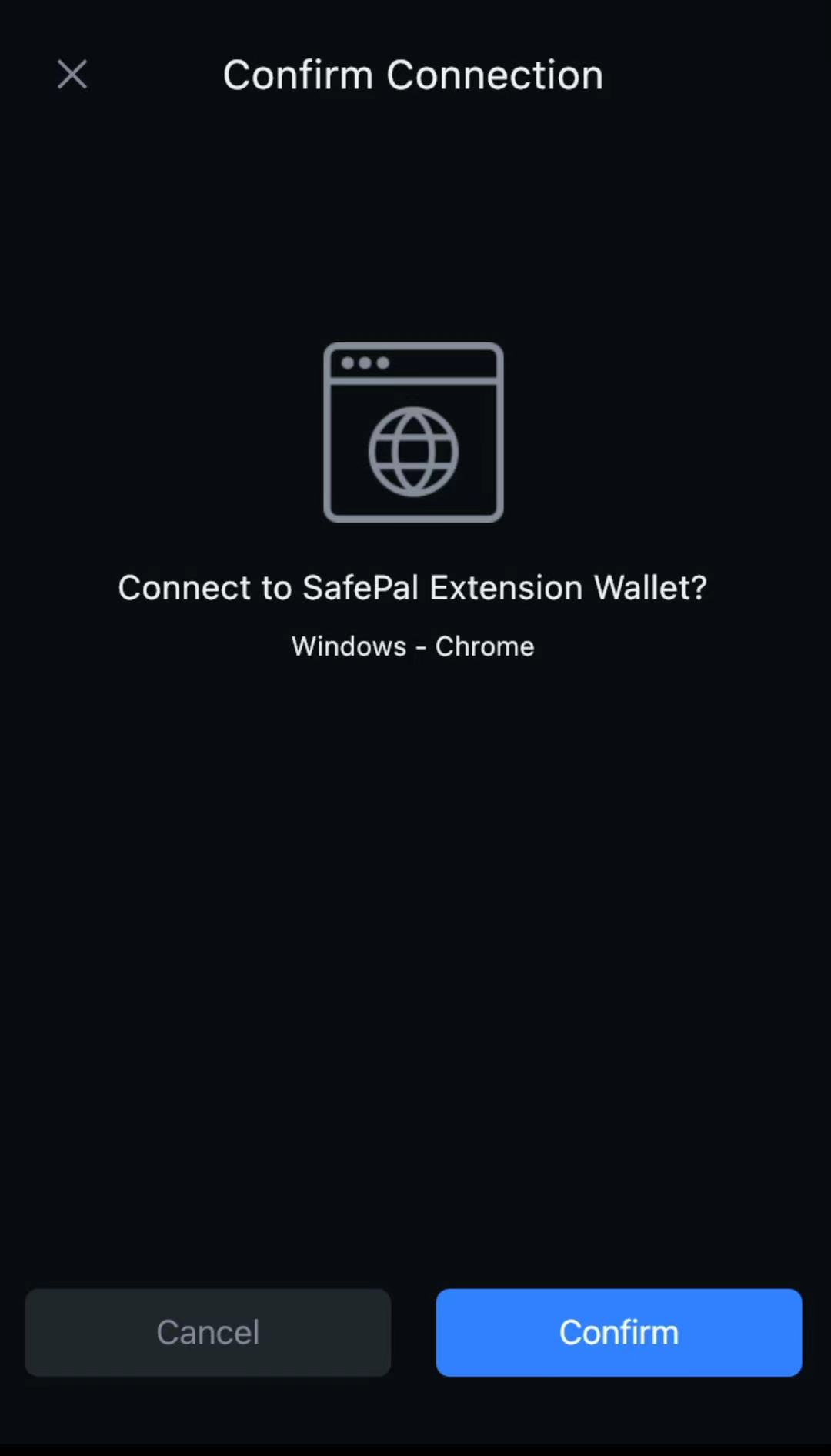
Safepal extension wallet Is a browser wallet option for managing crypto accounts, signing Web3 transactions, and connecting to decentralized applications from a desktop browser. It is useful when you want faster access than a mobile-only wallet, but it also requires careful setup, phrase protection, permission review, and transaction checks. Users should treat every wallet extension as a high-risk financial tool and verify current details through official SafePal sources before installing or moving assets.
Safepal extension wallet can make daily crypto tasks more convenient because it places account access, network switching, and signing prompts close to the websites people use for swaps, bridges, NFT platforms, staking pages, and portfolio tools. That convenience is also why the setup process matters. A browser extension lives in an environment where phishing pages, fake downloads, malicious pop-ups, and risky token approvals can all compete for attention.
For a new user, the best way to think about Safepal extension wallet is as a signing interface, not as a bank account or a guarantee of safety. The wallet helps create or import accounts and approve transactions, but the user remains responsible for the recovery phrase, device hygiene, network selection, and the final decision to sign. Crypto transactions can be irreversible, and asset values can change quickly.
What is Safepal extension wallet?
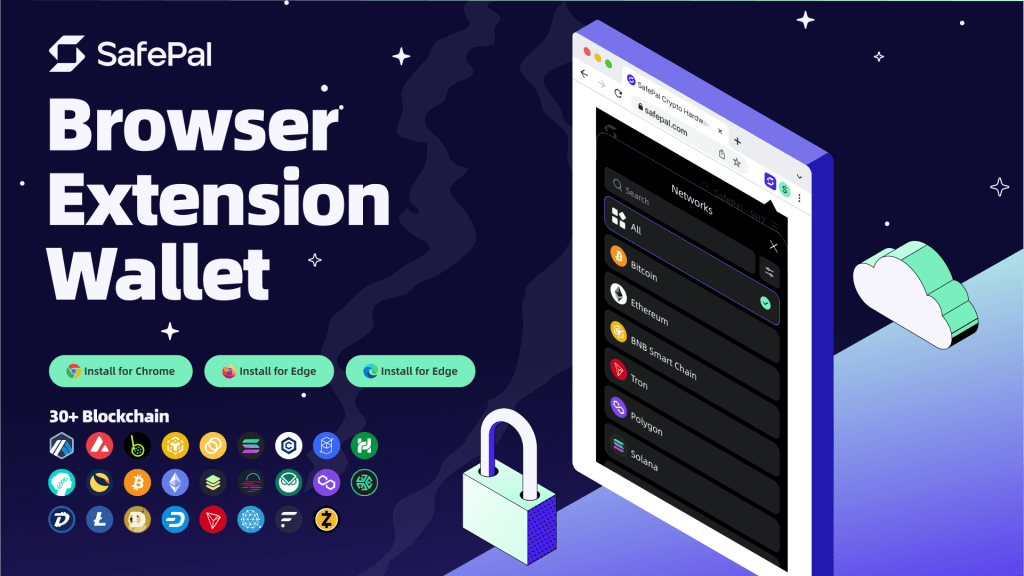
Safepal extension wallet is commonly understood as the desktop browser extension side of the SafePal wallet ecosystem. It is intended to help users interact with blockchains and Web3 applications from a browser while keeping wallet controls available in a familiar extension panel. Depending on current product support, users may also connect mobile wallet flows or compatible hardware wallet workflows, so official documentation should be checked before setup.
Safepal extension wallet is not the same thing as a centralized exchange account. With a self-custody wallet, the account keys are controlled by the wallet holder rather than a support desk. That structure gives users direct control, but it also removes many recovery options people expect from traditional financial services. Losing a recovery phrase, approving a malicious transaction, or installing a fake extension can create permanent loss.
Safepal extension wallet fits into a wider wallet category that includes mobile wallets, browser wallets, hardware wallets, and account abstraction tools. Browser extensions are popular because they are quick to access and widely supported by Web3 sites. A separate can reduce some online key exposure, but even hardware-backed signing still depends on careful confirmation of addresses, networks, and transaction details.
How does Safepal extension wallet work in daily use?
Safepal extension wallet works by creating or accessing blockchain accounts, displaying balances from supported networks, and presenting transaction requests when a connected site asks for approval. In practice, a user opens a decentralized application, connects the wallet, chooses an account, reviews the requested action, and signs only if the details match their intent. The signature is the important step because it authorizes the blockchain action.
Safepal extension wallet may show tokens, networks, and transaction prompts, but balances can sometimes appear delayed or incomplete because wallets rely on network data, indexers, RPC endpoints, token lists, and chain-specific settings. If an asset appears missing, the first step is not panic. Users can verify the receiving address on an independent block explorer, confirm the network used, and check whether the token needs to be added manually.
Safepal extension wallet also helps separate accounts and networks, which is useful when using Ethereum-compatible chains, BNB Chain, Polygon, Arbitrum, Optimism, or other supported ecosystems. Network names can look similar, and sending assets across the wrong chain can be difficult or impossible to fix. Users should compare deposit instructions, chain IDs, contract addresses, and receiving addresses before transferring value.
How to get started with Safepal extension wallet safely
Safepal extension wallet setup should begin with source verification. Search results, ads, social posts, and copied links can lead to fake wallet pages. The safest habit is to start from official SafePal channels, confirm the browser extension listing, check the publisher, and avoid installing lookalike software. A wallet extension should never ask for a recovery phrase on a random web page.
Safepal extension wallet onboarding usually involves creating a new wallet or importing an existing one. Creating a new wallet gives you a fresh recovery phrase, while importing brings an existing account into the extension. If a phrase has ever been typed into an unknown site, stored in screenshots, saved in cloud notes, or shared with another person, it should be treated as compromised and not used for meaningful funds.
Confirm the extension source through official SafePal information.
Create or import only on a clean, trusted device.
Write the recovery phrase offline and keep it private.
Set a strong local wallet password for browser access.
Send a small test transaction before moving larger amounts.
Review every connection and signature request before approving.
Safepal extension wallet users should separate testing from storage. A small everyday account can be used for new decentralized applications, while long-term holdings can remain in a more restricted wallet or hardware-backed setup. This account separation does not remove risk, but it limits the amount exposed when trying a new bridge, mint, liquidity pool, or staking interface.
What can you use Safepal extension wallet for?
Safepal extension wallet can be used for common self-custody tasks such as receiving tokens, sending assets, checking balances, adding networks, connecting to decentralized exchanges, signing approvals, and viewing transaction history. The exact networks and tokens available can change, so users should verify support before assuming a particular chain, token standard, or application will work in the extension.
Safepal extension wallet is especially relevant for users who interact with Web3 from a desktop. Swapping tokens, bridging between chains, joining staking dashboards, managing NFTs, or using governance pages often works more smoothly when the wallet is available directly in the browser. Still, each interaction should be treated as a separate decision because one bad approval can expose more than the user intended.
In practice, Safepal extension wallet should be part of a broader workflow that includes watchlists, block explorers, official project links, and careful record keeping. If you receive unexpected tokens, see unfamiliar assets, or notice tiny balances that seem strange, do not assume they are safe or valuable. Some tokens are harmless, some are spam, and some are designed to lure users into unsafe websites.
Is Safepal extension wallet safe?
Safepal extension wallet can be used safely only when the user follows disciplined security habits. A legitimate wallet extension can still be misused on a compromised computer, a phishing website, or a malicious contract. Safety depends on the authenticity of the extension, the privacy of the recovery phrase, the security of the browser environment, and the user’s ability to reject suspicious prompts.
Safepal extension wallet users should remember that a password is not the same as a recovery phrase. The password usually protects local access to the wallet extension on that device. The recovery phrase controls the accounts themselves. Anyone with the phrase can typically restore the wallet elsewhere. No support agent, validator, airdrop page, or troubleshooting form needs the full recovery phrase.
Safepal extension wallet security also depends on transaction literacy. Before signing, check the recipient address, token amount, network, gas estimate, contract interaction, and spending permission. A normal send transaction is different from an unlimited token approval. When a site asks for broad permissions, users can consider smaller allowances, separate accounts, or avoiding the interaction until they understand the request.
A strong routine includes updating the browser, removing unused extensions, avoiding unknown downloads, locking the wallet when finished, and using a dedicated browser profile for crypto activity. Safepal extension wallet should not be used casually on shared computers, public machines, or devices with untrusted remote-access software.
Common risks when using Safepal extension wallet
Safepal extension wallet carries the same broad risks as other self-custody browser wallets. Phishing is the most common issue: a fake page imitates a real exchange, wallet portal, bridge, or mint site and pressures the user to connect or enter a phrase. A real wallet extension should show signing prompts, but it cannot always know whether the website’s purpose is honest.
Safepal extension wallet users should also watch for network confusion. A token can exist on multiple chains or as a wrapped version, and the same symbol can represent different contracts. Before sending or swapping, confirm the chain, contract address, and receiving platform requirements. A successful transaction on the wrong network may still leave the asset inaccessible to the intended destination.
Another risk with Safepal extension wallet is approval buildup. Over time, users may approve many decentralized applications to spend tokens. If one of those contracts is later exploited or malicious, the approval can become dangerous. Periodic approval reviews, revoking unused permissions, and limiting allowances can reduce exposure. Users should use reputable tools and verify that they are on the correct site before revoking permissions.
Safepal extension wallet cannot remove market risk. Tokens can lose value, liquidity pools can change, bridges can fail, and staking rewards can be offset by price movement, fees, or lockup periods. This page is informational, not financial advice. Users should research assets independently, understand the risks of decentralized finance, and avoid moving money they cannot afford to lose.
Safepal extension wallet compared with mobile and hardware wallets
Safepal extension wallet is often chosen for desktop convenience, while a mobile wallet is often chosen for portability. A mobile app can be useful for quick scanning, notifications, and on-the-go access. A browser extension can be better for complex desktop interfaces where charts, forms, bridge routes, and governance pages are easier to review on a larger screen.
Safepal extension wallet differs from a hardware wallet because the extension is software running in a browser environment. Hardware wallets are designed to keep private keys isolated on a separate device and require physical confirmation for signing. Some users combine a browser extension with hardware signing for a stronger workflow, but this still requires checking transaction details and protecting the recovery backup.
Wallet type
Typical strength
Main caution
Safepal extension wallet
Desktop Web3 access and fast signing flow
Browser phishing and risky permissions
Mobile wallet
Portable account management
Phone compromise, cloud backups, screen scams
Hardware wallet
Offline key storage and physical confirmation
Supply-chain checks, backup storage, user confirmation errors
Safepal extension wallet may be enough for small balances, testing, and routine Web3 activity, but larger holdings deserve stricter controls. Many experienced users separate hot wallets, cold storage, and experimental wallets. The point is not to chase a perfect setup. The point is to reduce the damage that one mistaken click, one unsafe approval, or one compromised device can cause.
How to troubleshoot Safepal extension wallet balance or connection issues
Safepal extension wallet troubleshooting should begin with basic verification. If a deposit does not appear, check the transaction hash on the relevant block explorer and confirm that the receiving address matches your wallet. If the explorer shows the funds but the extension does not, the issue may be display-related, network-related, or tied to a token list rather than a failed transfer.
Safepal extension wallet connection issues can also come from the website side. A decentralized application may be congested, have an outdated wallet connector, or require a specific network. Refreshing the page, locking and unlocking the extension, switching networks carefully, or trying a clean browser profile can help isolate the problem. Avoid repeated signing attempts if you do not understand what the prompt is requesting.
Safepal extension wallet users who restore a wallet and see unexpected account addresses should consider derivation paths, imported account order, or whether the original wallet was created through a different login method. The safest diagnostic step is to compare addresses and on-chain history rather than typing the recovery phrase into tools found through search results. Official support resources should be used carefully, and private phrases should never be shared.
Best practices before moving meaningful funds
Safepal extension wallet should be tested with small amounts before larger transfers. A small receive, a small send, and a simple connection test can reveal whether the user understands the network, fees, and signing flow. This is especially important when bridging assets or using a new chain where the gas token, address format, or wallet support may differ from what the user expects.
Safepal extension wallet users should create a repeatable security routine. Keep the recovery phrase offline, use a password manager for unrelated site passwords, enable operating system updates, and avoid installing unnecessary browser extensions. If a device is already used for gaming mods, unknown downloads, remote administration tools, or shared browsing, it may not be a good place to manage valuable crypto assets.
Safepal extension wallet activity should be reviewed after using new decentralized applications. Disconnect sites that no longer need access, check token approvals, and keep a simple record of large transfers. For taxes, accounting, or legal reporting, users should consult qualified professionals in their jurisdiction. Wallet software can help display activity, but it does not replace personal responsibility or professional advice.
What should you remember about Safepal extension wallet?
Safepal extension wallet is best understood as a convenient desktop gateway to self-custody crypto activity. It can help users connect to Web3, sign transactions, manage accounts, and coordinate with the broader SafePal ecosystem. The strongest benefit is convenience; the strongest warning is that convenience can make unsafe signing too easy if the user is rushed or distracted.
Safepal extension wallet deserves the same care as any tool that controls digital assets. Install from verified sources, protect the recovery phrase, test before transferring larger amounts, read every signing prompt, and verify details through official sources. Used with patience and strict habits, Safepal extension wallet can be a practical part of a crypto management workflow without pretending that any wallet removes risk.
Reader rating:
4.5 / 5
based on 273 ratings
Questions and Answers
What is Safepal extension wallet used for?
Safepal extension wallet is used to manage crypto accounts from a desktop browser, connect to Web3 applications, view supported assets, and sign transactions. It can help with swaps, transfers, staking dashboards, NFT platforms, and other decentralized services. Users should verify current network and token support through official SafePal sources before relying on it for a specific asset or chain.
Is Safepal extension wallet safe for storing crypto?
Safepal extension wallet can be used safely only with strong security habits. The main risks are fake extensions, phishing websites, compromised devices, leaked recovery phrases, and unsafe token approvals. For meaningful holdings, many users separate everyday hot wallets from long-term storage and may use hardware wallet workflows where supported. No wallet can guarantee protection from user error or malicious contracts.
How do I set up Safepal extension wallet securely?
Start by verifying the official extension source, then install it only on a trusted device and browser. Create or import a wallet in a private environment, write the recovery phrase offline, and set a strong local password. Send a small test transaction before moving larger funds. Never enter the recovery phrase into websites, forms, direct messages, or unofficial support tools.
Why are tokens not showing in Safepal extension wallet?
Missing balances can happen because of network selection, token list issues, RPC delays, unsupported assets, or using a different account than expected. Check the transaction hash and wallet address on the correct block explorer first. If the explorer shows the asset, the issue may be a display or configuration problem rather than a failed transfer. Avoid sharing your recovery phrase while troubleshooting.
Can Safepal extension wallet connect to decentralized applications?
Safepal extension wallet is intended for browser-based Web3 interaction, so connecting to decentralized applications is a core use case when the site and network are supported. Before approving a connection or signature, confirm that the website is legitimate and review what it requests. Connecting a wallet is usually less risky than signing a transaction, but both deserve careful attention.
Should I use Safepal extension wallet or a hardware wallet?
Safepal extension wallet is convenient for desktop access and routine Web3 use, while a hardware wallet is designed to keep keys isolated on a separate signing device. Some users use both: the extension for access and a hardware wallet for stronger key protection where compatible. The right setup depends on asset value, activity level, and personal risk tolerance.
What should I check before signing with Safepal extension wallet?
Before signing, check the website, wallet address, network, token amount, recipient, gas fee, and permission type. Be especially cautious with unlimited token approvals, urgent airdrop claims, unfamiliar bridges, and prompts that do not match the action you intended. If the transaction details are unclear, reject the request and verify through official project or wallet information first.
The
SafePal X1
is an open-source Bluetooth hardware wallet designed to provide secure and convenient management of your digital assets. It features an EAL 5+ secure element and a true random number generator to ensure the safety of your private keys.
Key Features
Open Source
: As the first fully open-source Bluetooth hardware wallet from SafePal, the X1 offers transparency and security, allowing users to verify and trust the device’s operations.
EAL 5+ Secure Element
: The device incorporates an EAL 5+ secure element chip, providing a robust environment for storing private keys and safeguarding against potential threats.
Self-Destruct Mechanism
: Equipped with multiple sensors, the X1 can execute a self-destruct mechanism, erasing all wallet data to protect against unauthorized access.
Bluetooth 5.0 Connectivity
: High-speed Bluetooth 5.0 enables faster transaction signing and seamless integration with the SafePal App, enhancing user experience.
Extensive Blockchain Support
: The SafePal X1 supports over 100 blockchains and their ecosystems, allowing users to manage a diverse range of digital assets within a single device.
Specifications
Display
: 1.8-inch monochrome screen
Connectivity
: Bluetooth 5.0
Security Certifications
: EAL 5+ secure element
Buy SafePal X1 in Thailand
For users in Thailand seeking a secure and user-friendly hardware wallet, the SafePal X1 provides a reliable solution. Its open-source nature, combined with advanced security features and extensive asset support, makes it an ideal choice for managing digital assets securely.
Experience the future of digital asset management with the SafePal X1, offering unparalleled security and convenience for users in Thailand. Buy from SIAMBC – SafePal Authorised Reseller in Thailand
฿
1,290.00
Original price was: ฿1,290.00.
฿
890.00
Current price is: ฿890.00.
Select options
This product has multiple variants. The options may be chosen on the product page
฿
15,900.00
Original price was: ฿15,900.00.
฿
10,480.00
Current price is: ฿10,480.00.
Select options
This product has multiple variants. The options may be chosen on the product page
฿
7,990.00
Original price was: ฿7,990.00.
฿
4,200.00
Current price is: ฿4,200.00.
Select options
This product has multiple variants. The options may be chosen on the product page