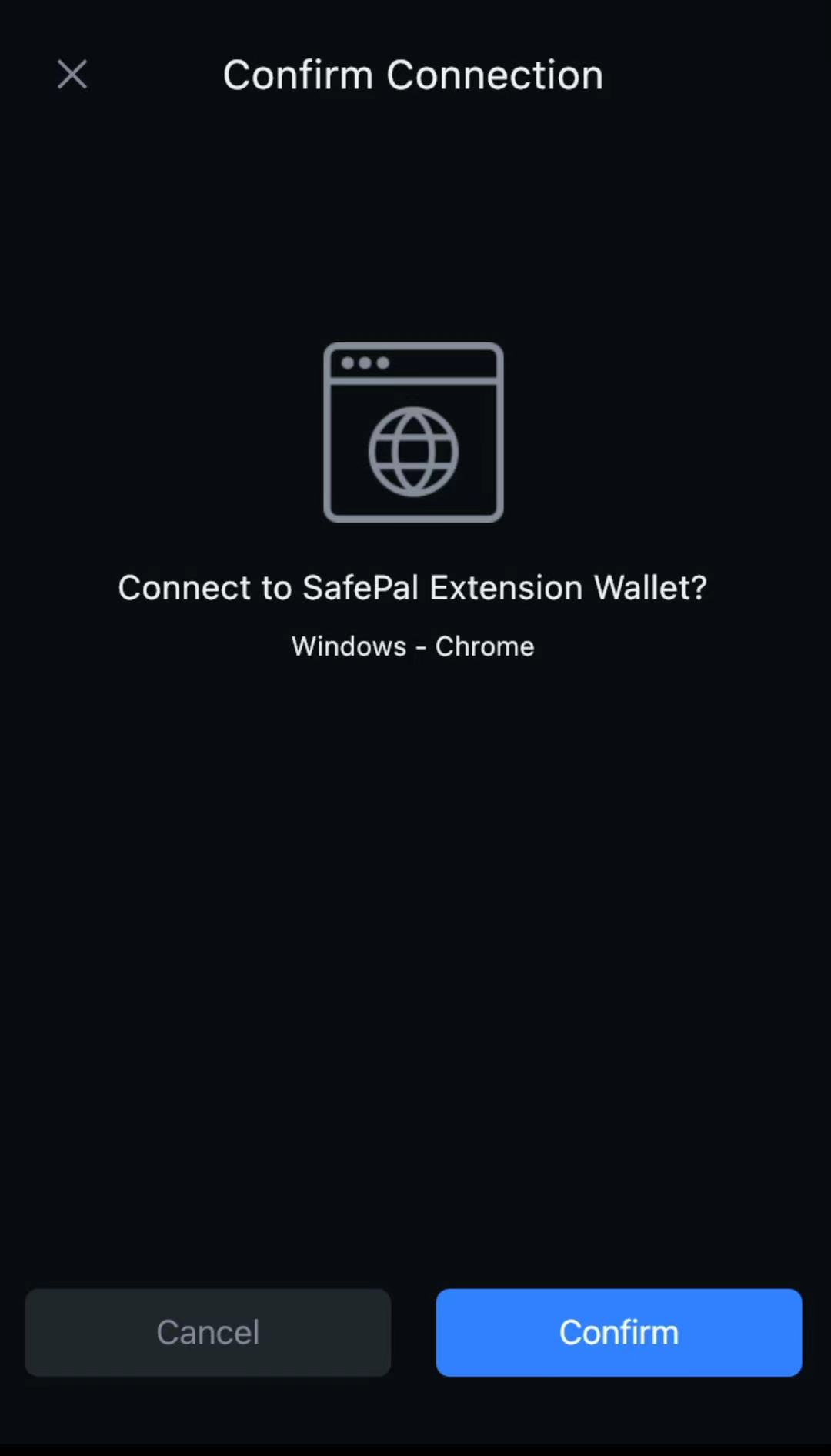
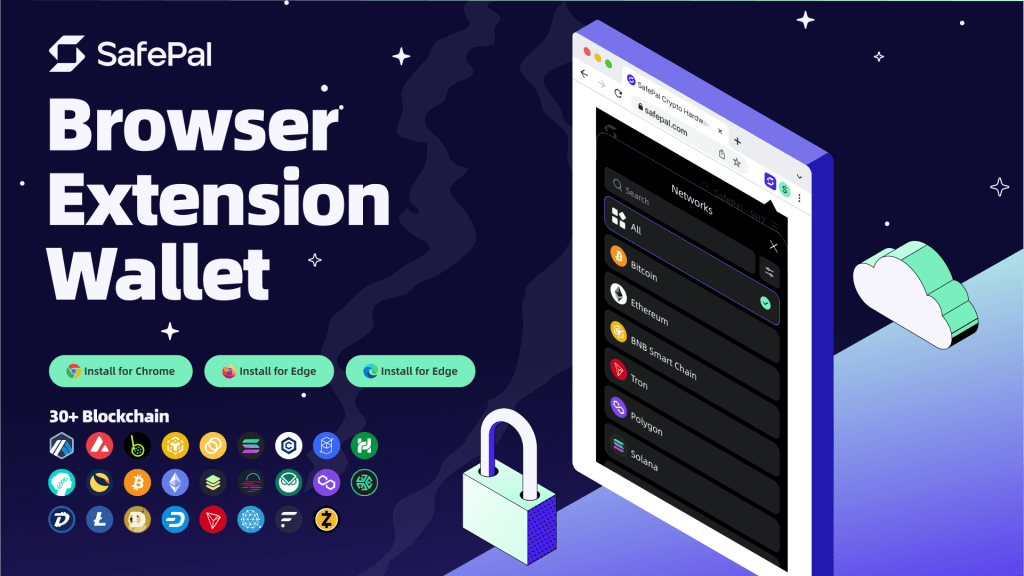
Safepal extension: Browser Wallet Setup and Security
Safepal extension Is a Browser Wallet Setup and Security Guide
Safepal extension Is a browser-based crypto wallet tool for connecting to Web3 apps, managing supported networks, reviewing transactions, and pairing with the wider SafePal wallet ecosystem. Users search for it because they want a practical way to access DeFi, tokens, swaps, and signatures from a desktop browser while keeping control of wallet permissions, recovery phrases, and device security. It should be installed and verified only through official SafePal sources.
What is Safepal extension?
Safepal extension is commonly understood as the browser wallet layer in the SafePal ecosystem. Instead of relying only on a mobile app or a hardware device screen, the browser extension gives users a desktop connection point for decentralized applications, token pages, NFT marketplaces, bridges, portfolio dashboards, and other Web3 services. The exact features can change over time, so users should verify current download links, supported browsers, and network availability from official SafePal channels before installing anything.
Safepal extension is not the same thing as a hardware wallet, although it may sit beside one in a broader self-custody workflow. A hardware wallet such as the SafePal X1 or S1 is a physical signing device, while a browser extension is software that helps a website request wallet information or a transaction signature. That distinction matters because convenience and risk live in different places. The extension improves access, while the user still needs disciplined security habits.
Safepal extension also differs from a custodial exchange account. With a self-custody wallet, the user is responsible for recovery phrases, device access, transaction review, and dapp approvals. There is no bank-style password reset for a lost seed phrase. For that reason, Safepal extension should be approached as an access tool, not as a place to casually experiment with funds a user cannot afford to risk.
How does Safepal extension work in a browser?
Safepal extension works by creating a secure wallet interface inside the browser and responding when a decentralized application asks to connect. A website may request permission to see a public wallet address, switch networks, display balances, or prepare a transaction. Safepal extension presents those requests so the user can approve, reject, or inspect them before anything moves on-chain.
In practice, the extension is a bridge between websites and blockchain networks. A dapp does not need the user’s recovery phrase to request a signature; it asks the wallet to sign a specific message or transaction. Safepal extension then becomes the review point where the user checks the network, contract, token amount, recipient address, gas estimate, and the broader purpose of the action.
Safepal extension may be used alongside the SafePal mobile app or compatible SafePal hardware wallet flows, depending on current product support. This can make desktop DeFi easier for people who prefer a larger screen while still wanting the wallet habits they use elsewhere. Anyone setting up Safepal extension should confirm whether their preferred chain, token standard, and browser are supported before moving assets.
How to get started with Safepal extension safely
Safepal extension setup should begin with source verification. Search results, ads, social posts, copied links, and unofficial download mirrors are not reliable enough for wallet software. The safest starting point is to type the official SafePal domain manually, navigate from there, and compare the extension publisher, logo, spelling, and download page before installing. A fake extension can imitate the name and still be designed to steal wallet data.
Safepal extension users should decide whether they are creating a new wallet, importing an existing wallet, or connecting through a companion device workflow. Creating a new wallet can reduce exposure if the old seed phrase has been used in many places. Importing an existing wallet may be convenient, but it expands the places where that recovery phrase has been entered. Hardware-assisted signing can reduce some risks, but it does not remove the need to read each transaction carefully.
A sensible first setup flow looks like this:
Confirm the official SafePal website and extension listing before downloading.
Install Safepal extension only in a browser profile that is kept updated.
Create or import the wallet while offline distractions are minimized.
Write the recovery phrase on physical backup material and store it privately.
Test with a small amount before using larger balances or complex dapps.
Safepal extension should never ask a user to share a seed phrase with support staff, social media accounts, or a website pop-up. The recovery phrase is the wallet. Anyone who has it can usually restore access elsewhere. If a page asks for the phrase to fix a connection problem, claim an airdrop, unlock support, or verify ownership, the safe assumption is that the page is malicious.
What can you use Safepal extension for?
Safepal extension is useful when a user wants desktop access to crypto workflows that are awkward on a phone. Common use cases include connecting to decentralized exchanges, checking portfolio tools, signing governance votes, using token dashboards, reviewing NFT assets, and interacting with supported blockchain apps. The extension can make these workflows feel more direct because the user does not need to scan or switch screens for every website interaction.
Safepal extension can also help users manage multichain activity. Many crypto users hold assets across networks such as Ethereum, BNB Chain, Polygon, Arbitrum, Optimism, or other ecosystems depending on what the wallet currently supports. A browser wallet can show a selected network and allow a dapp to request a switch. The user should still verify that the network shown in Safepal extension matches the network expected by the website.
For people researching device-based custody, Safepal extension sits near topics such as and . The browser tool handles Web3 interaction, while the hardware wallet category focuses on private key isolation and transaction confirmation. Together, those ideas explain why many users separate everyday browsing from long-term storage.
Is Safepal extension safe for crypto access?
Safepal extension can be part of a safe crypto workflow, but no browser wallet is automatically safe in every situation. The browser environment includes extensions, cached sessions, malicious websites, fake pop-ups, clipboard attacks, phishing pages, and rushed approvals. Safety depends on official installation, careful transaction review, device hygiene, strong backups, and a clear habit of rejecting unfamiliar requests.
Safepal extension users should pay special attention to token approvals. Many dapps ask permission to spend a token before a swap, staking action, or marketplace listing can work. A limited approval may fit the task, while an unlimited approval can leave the wallet exposed if the contract is later exploited or was malicious from the start. Users should review and revoke old permissions with reputable tools when appropriate.
Safepal extension safety also depends on understanding signatures. Not every signature moves funds immediately, but some messages can authorize actions or prove control of an address in ways users may not expect. Blind signing, unreadable transaction data, or rushed approval prompts should be treated as warning signs. If the purpose of a signature is unclear, the better choice is to stop and verify before approving.
Benefits of using Safepal extension for desktop Web3
Safepal extension offers the practical benefit of meeting dapps where many users already work: the browser. Desktop screens make it easier to compare transaction details, view analytics, read protocol documentation, and manage several tabs during a DeFi session. This can reduce mistakes caused by cramped mobile layouts, especially when a user needs to compare contract addresses, token tickers, chain names, and gas estimates.
Safepal extension may also create a smoother connection between wallet activity and the broader SafePal ecosystem. A user who already understands SafePal mobile or hardware wallet concepts can keep a familiar mental model while accessing browser-based tools. Familiarity is useful, but it should not become complacency. Even a familiar wallet interface can present a dangerous request if the connected website is unsafe.
Another benefit is workflow separation. Safepal extension can be placed in a dedicated browser profile used only for crypto activity. That profile can have fewer extensions, stricter bookmark habits, and less casual browsing history. This kind of separation does not guarantee protection, but it reduces unnecessary exposure and makes suspicious behavior easier to notice.
Risks, scams, and mistakes to avoid
Safepal extension users face the same broad risk categories as other browser wallet users: fake downloads, malicious dapps, seed phrase theft, address poisoning, misleading tokens, approval abuse, and social engineering. A professional-looking page is not proof that a wallet prompt is safe. Crypto transactions are generally irreversible, so the cost of one careless approval can be permanent.
Safepal extension should be used with a deliberate verification routine. Check the domain before connecting, check the wallet address before receiving funds, and check the contract or token source before interacting. When sending assets, compare the first and last characters of the recipient address and avoid trusting clipboard content without review. For larger transfers, a small test transaction can reveal network or address mistakes before the full amount is at risk.
Safepal extension users should also avoid installing many unrelated browser extensions in the same profile. Coupon tools, download helpers, unknown productivity plugins, and random wallet add-ons increase the attack surface. A clean browser profile does not make a bad transaction safe, but it reduces the chance that another extension interferes with wallet pages, redirects links, or reads sensitive browser activity.
Safepal extension compared with mobile and hardware wallet workflows
Safepal extension is best understood as a convenience and connectivity layer. A mobile wallet is often better for quick checks, QR-based flows, and users who mainly operate from a phone. A hardware wallet is generally preferred for higher-value storage because signing can be separated from the ordinary browser environment. The right setup depends on value at risk, frequency of transactions, and the user’s tolerance for added confirmation steps.
Safepal extension may be more comfortable than mobile for active DeFi users who monitor charts, bridges, lending interfaces, and token pages across several tabs. Mobile can feel faster for simple actions, but desktop offers more room for verification. Hardware devices add friction, yet that friction is often useful when the wallet holds meaningful funds. In security, a slower step can sometimes prevent a fast mistake.
Wallet workflow
Typical strength
Important caution
Safepal extension
Desktop dapp access and transaction review
Browser phishing and risky approvals still matter
Mobile wallet
Portable access and app-based management
Phone compromise or rushed screens can create mistakes
Hardware wallet
Private key isolation for signing
Users must still verify device prompts and backups
Safepal extension does not need to replace those alternatives. Many users separate wallets by purpose: a small active wallet for daily dapp interactions, a more protected wallet for medium-term holdings, and offline or hardware-backed storage for assets they do not need to move often. This separation limits damage if a single dapp connection or browser session goes wrong.
How to build a practical Safepal extension routine
Safepal extension works best when the user follows the same routine every time. Start by opening only bookmarked dapps or typing domains carefully. Connect the wallet only when necessary, disconnect after use, and avoid leaving approvals untouched for months. Review browser updates, wallet updates, and support announcements from official sources, especially when a new chain, feature, or security notice appears.
Safepal extension should be tested with small balances before complex actions such as bridging, liquidity provision, staking, or claiming rewards. Each of those workflows can involve multiple contracts and several confirmations. The user should understand what each transaction does before approving it. A high advertised yield, urgent countdown, or unexpected token claim is not a reason to ignore normal checks.
For a new user, the most important habit is patience. Safepal extension can make Web3 access convenient, but convenience is not the same as safety. Verify the source, protect the recovery phrase, keep the browser clean, read transaction prompts, and treat unknown links with skepticism. Crypto tools can be useful, yet users should verify details with official sources and avoid assuming any wallet feature eliminates market, protocol, or operational risk.
Reader rating:
4.5 / 5
based on 273 ratings
Questions and Answers
What is Safepal extension used for?
Safepal extension is used as a browser wallet interface for connecting to supported Web3 applications, reviewing transaction requests, managing public wallet connections, and working with supported blockchain networks from a desktop browser. It can help users interact with DeFi, token tools, NFT pages, and portfolio dashboards. Users should always confirm current features, supported browsers, and official download links through SafePal’s official sources.
Is Safepal extension the same as a SafePal hardware wallet?
No. Safepal extension is software that runs in a browser, while a SafePal hardware wallet is a physical device designed to help protect private keys and sign transactions. The extension may be part of a broader SafePal workflow, but it does not turn the browser into a hardware wallet. Users should understand which part of the setup is storing keys, requesting signatures, and confirming transactions.
How do I install Safepal extension safely?
Start from the official SafePal website or official product channels, then verify the extension listing, publisher name, spelling, and browser store details before installing. Avoid sponsored links, copied social media links, and unofficial mirrors. After installation, use a clean browser profile, keep the browser updated, write the recovery phrase offline, and test with a small amount before relying on it for larger transactions.
Can Safepal extension be used for DeFi apps?
Safepal extension can be used with supported decentralized applications when those apps recognize the wallet connection and the relevant blockchain network is supported. It may help with swaps, staking pages, portfolio tools, bridges, or governance interfaces. Every DeFi action carries smart contract, market, approval, and phishing risk, so users should review each transaction and verify protocol details before approving anything.
What are the biggest risks with Safepal extension?
The biggest risks are fake extensions, phishing websites, stolen recovery phrases, unsafe token approvals, unreadable signatures, malicious contracts, and compromised browser environments. A browser wallet can present a request clearly, but it cannot guarantee that the website or contract is trustworthy. Users should protect the seed phrase, verify domains, limit approvals when possible, and avoid approving requests they do not understand.
Should I use Safepal extension with a separate browser profile?
Using a separate browser profile for Safepal extension is a sensible security habit. A dedicated profile can reduce exposure to unrelated extensions, casual browsing sessions, suspicious downloads, and confusing tabs. It does not make risky transactions safe, but it helps keep wallet activity more controlled. The profile should still be kept updated and used only with carefully verified crypto websites.
The
SafePal X1
is an open-source Bluetooth hardware wallet designed to provide secure and convenient management of your digital assets. It features an EAL 5+ secure element and a true random number generator to ensure the safety of your private keys.
Key Features
Open Source
: As the first fully open-source Bluetooth hardware wallet from SafePal, the X1 offers transparency and security, allowing users to verify and trust the device’s operations.
EAL 5+ Secure Element
: The device incorporates an EAL 5+ secure element chip, providing a robust environment for storing private keys and safeguarding against potential threats.
Self-Destruct Mechanism
: Equipped with multiple sensors, the X1 can execute a self-destruct mechanism, erasing all wallet data to protect against unauthorized access.
Bluetooth 5.0 Connectivity
: High-speed Bluetooth 5.0 enables faster transaction signing and seamless integration with the SafePal App, enhancing user experience.
Extensive Blockchain Support
: The SafePal X1 supports over 100 blockchains and their ecosystems, allowing users to manage a diverse range of digital assets within a single device.
Specifications
Display
: 1.8-inch monochrome screen
Connectivity
: Bluetooth 5.0
Security Certifications
: EAL 5+ secure element
Buy SafePal X1 in Thailand
For users in Thailand seeking a secure and user-friendly hardware wallet, the SafePal X1 provides a reliable solution. Its open-source nature, combined with advanced security features and extensive asset support, makes it an ideal choice for managing digital assets securely.
Experience the future of digital asset management with the SafePal X1, offering unparalleled security and convenience for users in Thailand. Buy from SIAMBC – SafePal Authorised Reseller in Thailand
฿
1,290.00
Original price was: ฿1,290.00.
฿
890.00
Current price is: ฿890.00.
Select options
This product has multiple variants. The options may be chosen on the product page
฿
15,900.00
Original price was: ฿15,900.00.
฿
10,480.00
Current price is: ฿10,480.00.
Select options
This product has multiple variants. The options may be chosen on the product page
฿
7,990.00
Original price was: ฿7,990.00.
฿
4,200.00
Current price is: ฿4,200.00.
Select options
This product has multiple variants. The options may be chosen on the product page